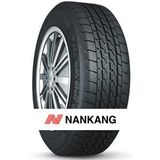
Van tyres are designed to deal with heavy loads and very frequent use. The sidewalls are especially reinforced and sometimes have the C marking, e.g. 195/50R15C 104/102R.
Why does the tyre have two different load ratings?
The first load index indicates the maximum load approved for a single fitting. The second load index indicates the maximum load approved for dual fitting (four tyres on the rear axle).
Is the C index marking necessary?
There's no difference between 195/50 R15C 104R and 195/50 R15 104R, only the load index is important. If your tyres don't have a C rating but have the correct load rating for your utility vehicle, then you can drive on them all the same. It's the same tyre.
What's the best summer tyre for vans?
- Michelin Agilis Crossclimate
- Pirelli Chrono Serie 2
- Goodyear Efficientgrip Cargo
- Dunlop Econodrive
- Uniroyal Rain MAX 3
- Bridgestone Duravis R660
- Pirelli Carrier
What's the best winter tyre for vans?
- Continental VanContactWinter
- Michelin Agilis Alpin
- Hankook Winter I*Pike LT RW09
- Goodyear Cargo Ultra Grip 2
- Bridgestone Blizzak LM-32 C
- Dunlop SP LT 60
- Pirelli Carrier Winter
What's the best all-season tyre for vans?
- Hankook Radial RA10
- Continental VancoFourSeason 2
- Pirelli Chrono Four Seasons
- Pirelli Carrier All Season
- Vredestein Comtrac ALL Season
- Goodyear Cargo Vector 2
- Kleber Transpro 4S